
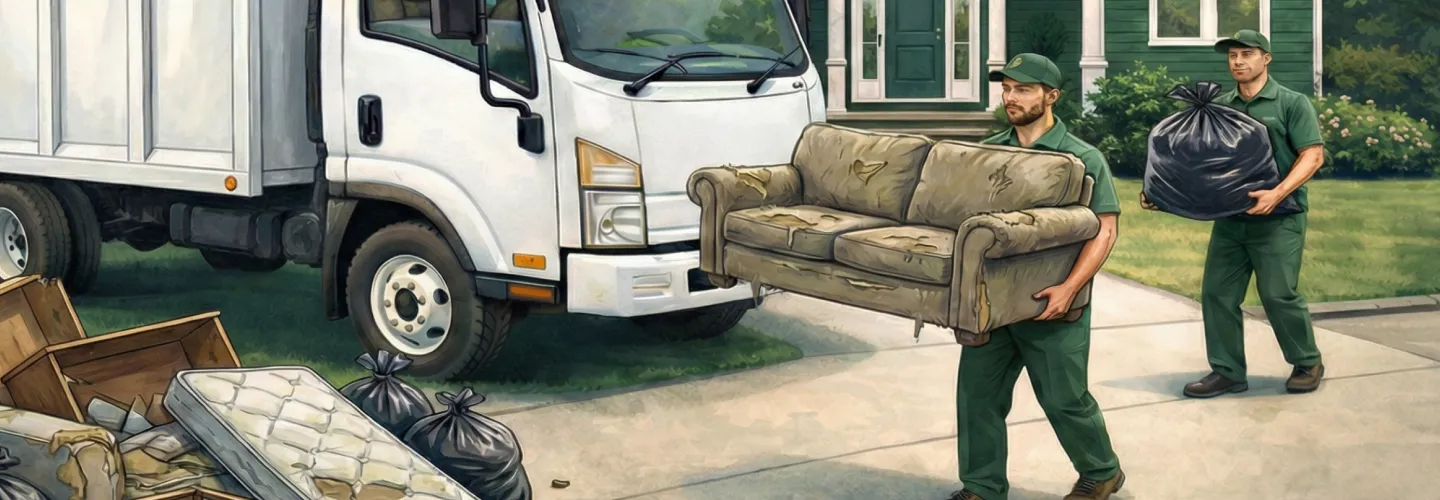
Grayson Construction Debris Removal Services
Choose us for your construction debris removal and experience fast, reliable service that keeps your site safe, organized, and ready for the next phase—saving you time, money, and hassle.
Get a Free QuoteOur Grayson Junk Removal Services
Construction Debris Removal in Grayson, GA – Local Service Guide
Construction debris removal in Grayson, GA is essential for keeping homes and businesses safe, clean, and compliant with local regulations. Whether you’re renovating a home in Wheatfields Reserve, clearing out a garage in Northforke Plantation, or managing a commercial build near Grayson Village, timely debris removal ensures projects stay on track and neighborhoods remain attractive. For residential items like old appliances, hot tubs, or scrap metal, removal often follows upgrades, seasonal cleanouts, or storm damage. Local options include donation, recycling, or proper disposal, with logistics shaped by driveway access, weather, and item size. Residential spaces such as basements and yards see increased debris during spring cleanups or after heavy rains, especially in flood-prone areas. Commercial clients—restaurants, offices, and warehouses—require discreet, scheduled pickups to minimize disruption, often generating higher volumes. Specialty services, including dumpster rentals or estate cleanouts, are vital for foreclosures or major renovations, requiring careful planning and coordination. For guidance on local disposal rules and permits, visit the Grayson Code of Ordinances.
Key Considerations for Construction Debris Removal in Grayson
- Timing projects around weather and local events
- Securing necessary permits for large-scale disposal
- Choosing proper disposal or recycling channels
- Ensuring easy access for removal vehicles
- Accurately estimating debris volume
- Coordinating with local guidelines for specialty items
Benefits of Construction Debris Removal in Grayson
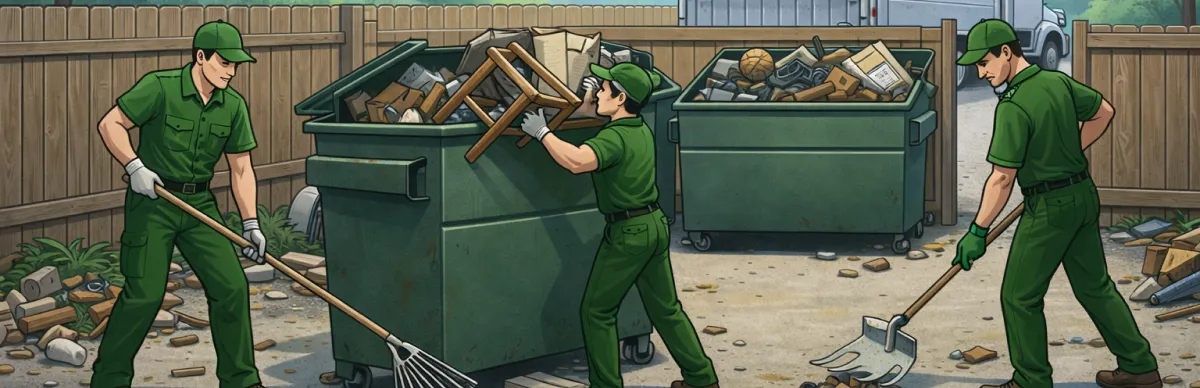
Fast and Reliable Cleanup
Safe Job Site Practices
Eco-Friendly Disposal Solutions
Cost-Effective Debris Removal
Experienced Local Team
Flexible Scheduling Options
Coordinating Construction Debris Disposal with Grayson's Planning and Zoning Requirements
Construction and demolition projects in Grayson generate significant volumes of waste materials that must be managed in accordance with local ordinances. The Grayson Code of Ordinances establishes standards for property maintenance, waste accumulation, and debris management on construction sites. Before beginning any renovation or demolition project, property owners and contractors should confirm permit requirements and debris handling expectations with the city.
- Building permits are typically required for structural demolition, major renovations, and additions that generate construction waste
- Site maintenance standards prohibit accumulation of debris that creates health hazards or code violations
- Debris containment on active construction sites must prevent materials from migrating onto adjacent properties or public rights-of-way
- Timely removal of construction waste is expected upon project completion to maintain neighborhood standards
Grayson Planning & Zoning
475 Grayson Parkway, Grayson, GA 30017
Official Website: Grayson Planning & Zoning
Georgia's Solid Waste Management Act and Construction Debris Compliance
Georgia regulates construction and demolition debris under the Georgia Comprehensive Solid Waste Management Act, administered by the Georgia Environmental Protection Division. This legislation establishes permitting requirements for disposal facilities, defines acceptable waste handling practices, and sets enforcement mechanisms for violations. Construction debris—including lumber, drywall, roofing materials, concrete, brick, and metal—falls under specific waste stream classifications that determine proper disposal pathways.
- Inert waste landfills in Georgia accept materials such as concrete, brick, block, and uncontaminated soil under separate permitting from municipal solid waste landfills
- Construction and demolition debris containing treated wood, painted surfaces, or mixed materials may require disposal at permitted municipal solid waste facilities
- Asbestos-containing materials must be handled by licensed abatement contractors and disposed of at facilities authorized to accept regulated asbestos waste
- Illegal dumping of construction debris carries penalties including fines and potential criminal charges under Georgia law
- Manifest documentation may be required for certain regulated materials transported from construction sites
Georgia Environmental Protection Division
2 Martin Luther King Jr. Drive SE, Suite 1456, Atlanta, GA 30334
Phone: (404) 656-4713
Official Website: Georgia Environmental Protection Division
Material Sorting and Separation Requirements for Grayson Construction Projects
Proper sorting of construction debris at the job site is essential for regulatory compliance and environmental stewardship. Gwinnett County, which provides many waste management services for the Grayson area, maintains standards for how construction materials should be separated before transport to disposal or recycling facilities. Mixing hazardous materials with general construction waste can result in load rejection at transfer stations and additional contamination fees.
- Concrete, asphalt, and masonry should be separated for recycling at inert waste processing facilities, where they can be crushed and reused as aggregate
- Scrap metal including rebar, copper piping, aluminum flashing, and steel framing has significant recycling value and should be segregated on site
- Untreated wood can often be processed for mulch or biomass fuel at permitted wood waste facilities
- Drywall and gypsum board should be kept dry and separated, as many recycling facilities accept clean gypsum for agricultural or manufacturing reuse
- Roofing shingles may be accepted at asphalt recycling facilities for processing into road paving material
- Hazardous materials such as lead paint chips, solvents, adhesives, and treated lumber require separate handling per EPA RCRA regulations
Hazardous Material Handling and Safety Protocols for Grayson Demolition Debris
Construction debris removal in Grayson frequently involves materials that pose health and environmental risks, particularly in structures built before 1980. Federal and state regulations impose strict requirements on the identification, handling, and disposal of hazardous construction materials. Failure to comply can result in significant fines, project delays, and liability exposure.
- Lead paint in pre-1978 buildings requires compliance with the EPA Renovation, Repair, and Painting Rule, mandating certified renovators and lead-safe work practices
- Asbestos found in floor tiles, insulation, pipe wrap, and siding must be surveyed before demolition; Georgia requires licensed inspectors and abatement contractors for friable asbestos removal
- Refrigerant-containing equipment such as HVAC units encountered during renovation must have refrigerants recovered by EPA Section 608-certified technicians before disposal
- Treated lumber containing chromated copper arsenate (CCA) should not be burned or disposed of in inert waste landfills
- Mercury-containing devices including thermostats and fluorescent lighting fixtures removed during renovation require hazardous waste handling
Gwinnett County Planning & Development
446 West Crogan Street, Lawrenceville, GA 30046
Phone: (678) 518-6000
Official Website: Gwinnett County Planning & Development
Stormwater Protection and Environmental Compliance During Grayson Debris Removal
Construction debris removal activities in Grayson must account for stormwater management and pollution prevention requirements. Gwinnett County Water Resources enforces erosion and sedimentation control measures on construction sites, and debris removal operations must not contribute to stormwater contamination or waterway degradation. Improperly managed construction waste can introduce sediment, chemicals, and pollutants into local drainage systems.
- Erosion and sedimentation controls must remain in place during debris removal activities on active construction sites
- Debris staging areas should be located away from storm drains, ditches, and waterways to prevent material migration during rain events
- Washout water from concrete trucks, masonry cleaning, or equipment rinsing must not enter storm drains and should be contained on site
- Dust suppression measures may be required during demolition debris loading to prevent airborne particulate from affecting neighboring properties
- Spill prevention protocols should be in place for fuel, hydraulic fluid, and other equipment-related fluids used during debris removal operations
Gwinnett County Water Resources
684 Winder Highway, Lawrenceville, GA 30045
Phone: (678) 376-6700
Official Website: Gwinnett County Water Resources
What Neighborhoods Do We Serve Throughout Grayson, GA?
- Grayson Proper / Downtown Grayson: The historic core area along Grayson Parkway features older commercial and residential structures where renovation debris may include materials requiring hazardous material assessment. Narrow lot configurations and proximity to neighboring properties necessitate careful debris staging and removal scheduling.
- Bay Creek: This established residential subdivision contains single-family homes with standard driveway access for debris removal vehicles. HOA guidelines may govern construction activity hours and debris containment requirements on individual lots.
- Rosewood Park: A family-oriented neighborhood with curvilinear streets and cul-de-sacs that may limit turning radius for larger hauling vehicles. Contractors should verify access routes and coordinate with residents regarding temporary street obstructions during debris removal.
- Grayson Valley: Newer construction in this area means renovation debris is less likely to contain hazardous materials such as lead paint or asbestos. Wide residential streets generally accommodate standard construction hauling equipment without access restrictions.
- Ozora Lake Area: Properties near Ozora Lake require heightened attention to stormwater and erosion controls during debris removal to protect nearby water resources. Debris staging should be positioned away from drainage pathways leading to the lake.
- Trip Creek Farms: This subdivision features larger residential lots that provide adequate space for on-site debris sorting and staging. Tree canopy coverage along streets may require overhead clearance verification for taller hauling equipment.