
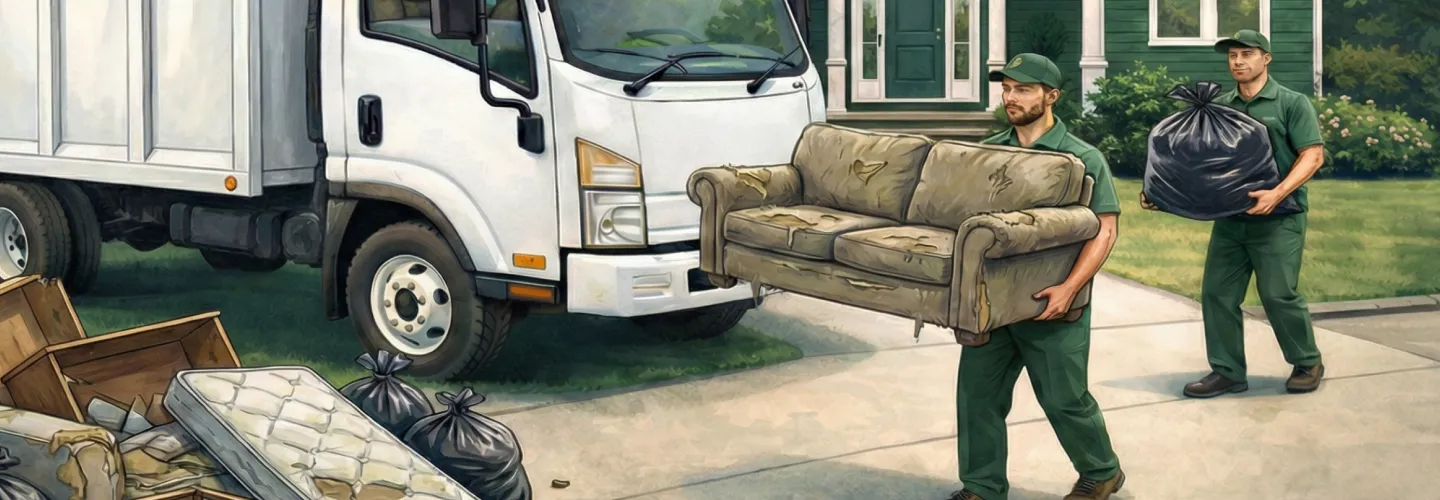
Grayson Restaurants Junk Removal Services
Choose our Restaurants Junk Removal for fast, hassle-free service that keeps your kitchen and dining areas spotless, compliant, and ready for business—so you can focus on serving your customers.
Get a Free QuoteOur Grayson Junk Removal Services
Restaurants Junk Removal in Grayson, GA – Local Service Guide
Restaurants in Grayson, GA face unique junk removal needs, from kitchen equipment upgrades to seasonal cleanouts. In busy areas like Grayson Village and along Rosebud Road, timely removal of old appliances, furniture, and packaging is crucial to maintain health standards and smooth operations. Local restaurants often schedule junk removal after renovations, menu changes, or before peak seasons to ensure compliance and minimize disruption. Grayson’s zoning and waste regulations require careful planning—especially for bulk items or hazardous materials. Reliable junk removal services coordinate with restaurant hours, offer discreet pickups, and handle high volumes typical for the food industry. For guidance on local disposal rules and permits, consult the Grayson Code of Ordinances.
Key Considerations for Restaurants Junk Removal in Grayson
- Schedule pickups during off-hours to avoid customer disruption
- Check for required permits for large or hazardous items
- Use approved disposal and recycling channels for equipment and food waste
- Ensure easy access for removal trucks in busy areas like Grayson Village
- Plan for higher volumes during renovations or seasonal menu changes
- Coordinate with local guidelines to avoid fines or delays
Benefits of Restaurants Junk Removal in Grayson
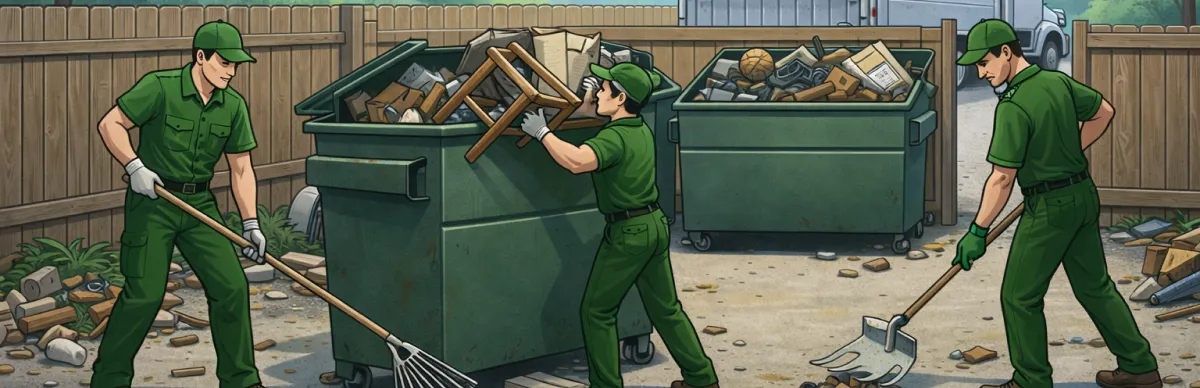
Fast and Reliable Service
Eco-Friendly Disposal Solutions
Experienced Junk Removal Team
Flexible Scheduling Options
Comprehensive Cleanout Services
Competitive Pricing for Restaurants
Coordinating Restaurant Equipment Disposal with Gwinnett County Solid Waste Regulations in Grayson
Restaurants in Grayson, GA, undergoing renovations, closures, or equipment upgrades must comply with Gwinnett County's solid waste management requirements when disposing of commercial kitchen items. Restaurant junk removal typically involves bulky, heavy equipment such as commercial ovens, refrigeration units, fryers, prep tables, and exhaust hoods, all of which require proper handling and disposal coordination. The Grayson Code of Ordinances establishes local standards for waste management and property maintenance that apply to commercial establishments.
- Commercial refrigeration units require refrigerant recovery before disposal under federal law
- Grease traps and used cooking oil must be handled by licensed waste haulers
- Stainless steel equipment qualifies for scrap metal recycling and diversion from landfills
- Broken furniture, booths, and fixtures are classified as bulky commercial waste
- Electronic point-of-sale systems fall under e-waste disposal requirements
Restaurant operators should schedule removal during non-peak hours to minimize disruption to neighboring businesses and comply with local noise ordinances.
Georgia Environmental Protection Division Requirements for Restaurant Waste Streams
Restaurant junk removal in Grayson must align with state-level solid waste regulations administered by the Georgia Environmental Protection Division (GA EPD). Georgia's Solid Waste Management Act (O.C.G.A. § 12-8-20 et seq.) establishes the framework for proper disposal of commercial waste, including materials generated during restaurant cleanouts and renovations. Restaurants produce unique waste streams that demand careful sorting and separation before disposal.
- Hazardous materials such as cleaning chemicals, pesticides, and fluorescent lighting tubes are prohibited from standard landfill disposal
- Refrigerant-containing appliances (walk-in coolers, reach-in freezers, ice machines) require certified recovery per EPA Section 608 regulations
- Used cooking oil and grease must be collected by licensed rendering or recycling companies
- Construction and demolition debris from restaurant build-outs requires separate handling at approved facilities
- Electronics including POS terminals, monitors, and security systems should be directed to certified e-waste recyclers
Violations of Georgia's solid waste disposal laws may result in civil penalties, making compliance essential for restaurant owners coordinating junk removal projects.
Grayson Zoning and Permit Compliance for Commercial Restaurant Cleanout Projects
Before initiating a restaurant junk removal project in Grayson, operators must verify compliance with local zoning ordinances and permitting requirements. The Grayson Planning & Zoning department oversees land use regulations that may affect how and when commercial waste removal activities occur. Additionally, Gwinnett County Planning & Development administers building permits, code enforcement, and development review for properties within the county's jurisdiction.
- Building permits may be required if restaurant junk removal involves structural modifications such as removing built-in equipment, counters, or wall-mounted exhaust systems
- Code enforcement coordination is recommended when properties have outstanding violations or are undergoing lease turnover
- Noise restrictions typically limit heavy removal operations to daytime hours; verify local ordinance requirements before scheduling
- Right-of-way access for removal trucks parked on public streets may require advance coordination with the Gwinnett County Department of Transportation
- Fire code clearances must be maintained during removal; do not block emergency exits, fire lanes, or hydrant access
Grayson Planning & Zoning
475 Grayson Parkway, Grayson, GA 30017
Official Website: Grayson Planning & Zoning
Restaurant owners should obtain all necessary approvals before removal crews arrive on-site to avoid project delays and potential code violations.
Recycling and Material Recovery Options for Grayson Restaurant Equipment
Diverting restaurant equipment and materials from landfills is both an environmental responsibility and a practical consideration for Grayson restaurant owners. Many items removed during restaurant cleanouts have significant recycling or resale value, and proper sorting maximizes recovery potential. Gwinnett County supports waste diversion through its solid waste programs, and several regional facilities accept commercial materials.
- Stainless steel tables, shelving, and sinks are highly recyclable through scrap metal processors; separating metals from other debris increases recovery value
- Commercial appliances (ovens, dishwashers, mixers) in working condition may be donated to restaurant supply resellers or nonprofit organizations
- Wooden booths, tables, and chairs can be repurposed or donated if structurally sound
- Cardboard, paper, and packaging materials generated during cleanouts should be separated for recycling
- Fluorescent tubes and CFL bulbs contain mercury and must be recycled through hazardous waste programs rather than placed in standard waste streams
Gwinnett County Water Resources
684 Winder Highway, Lawrenceville, GA 30045
Official Website: Gwinnett County Water Resources
Restaurant operators should also ensure that grease interceptors and plumbing fixtures are properly cleaned and disposed of in compliance with Gwinnett County's stormwater and wastewater regulations to prevent environmental contamination during removal.
Safety and Hazardous Material Handling During Grayson Restaurant Junk Removal
Restaurant junk removal presents unique safety challenges due to the weight, size, and composition of commercial kitchen equipment. Proper handling protocols protect workers, property, and the environment. Older restaurant spaces in Grayson, particularly those built before 1980, may contain hazardous building materials that require specialized assessment before removal begins.
- Heavy equipment such as walk-in cooler panels, commercial ranges, and hood systems may exceed 500 pounds and require mechanical lifting equipment or multi-person crews
- Asbestos-containing materials may be present in older floor tiles, pipe insulation, or ceiling materials; a licensed inspector should assess the space before demolition or removal
- Lead-based paint in pre-1978 structures requires compliance with the EPA Renovation, Repair, and Painting Rule
- Sharp edges and broken glass from damaged equipment, mirrors, and light fixtures require protective equipment and careful handling
- Chemical residues from cleaning agents, degreasers, and pest control products must be identified and disposed of through appropriate hazardous waste channels
Gwinnett County Fire Stations
Official Website: Gwinnett County Fire and Emergency Services
Workers performing restaurant junk removal should follow OSHA guidelines for personal protective equipment, including steel-toed boots, cut-resistant gloves, and eye protection when handling commercial kitchen debris.
What Neighborhoods Do We Serve Throughout Grayson, GA?
- Downtown Grayson: The historic commercial core along Grayson Parkway features older restaurant spaces with limited rear-access loading areas. Removal crews should coordinate with city officials regarding street parking for trucks and equipment staging near the town center.
- Grayson Town Center: This mixed-use development area includes restaurant tenants in multi-tenant commercial buildings. Service elevator access and shared loading zones require advance scheduling with property management to avoid conflicts with neighboring businesses.
- Bay Creek: A residential community with nearby commercial corridors where smaller restaurant establishments operate. Wide roadways and accessible parking lots facilitate equipment removal, though HOA-adjacent properties may have aesthetic screening requirements.
- Rosebud/Highway 20 Corridor: This commercial strip along Highway 20 hosts numerous restaurant locations with dedicated parking lots and rear service access. High traffic volumes during peak hours necessitate scheduling removal operations during early morning or late evening windows.
- Tribble Mill Area: Located near Tribble Mill Park, this growing area includes newer restaurant developments with modern loading dock configurations. Properties in this zone benefit from proximity to major transportation routes for efficient hauling to disposal and recycling facilities.
- Fence Road Corridor: A developing commercial area with restaurant properties that feature standard lot configurations and straightforward truck access. Newer construction reduces concerns about hazardous building materials but may require coordination with ongoing development activity nearby.