
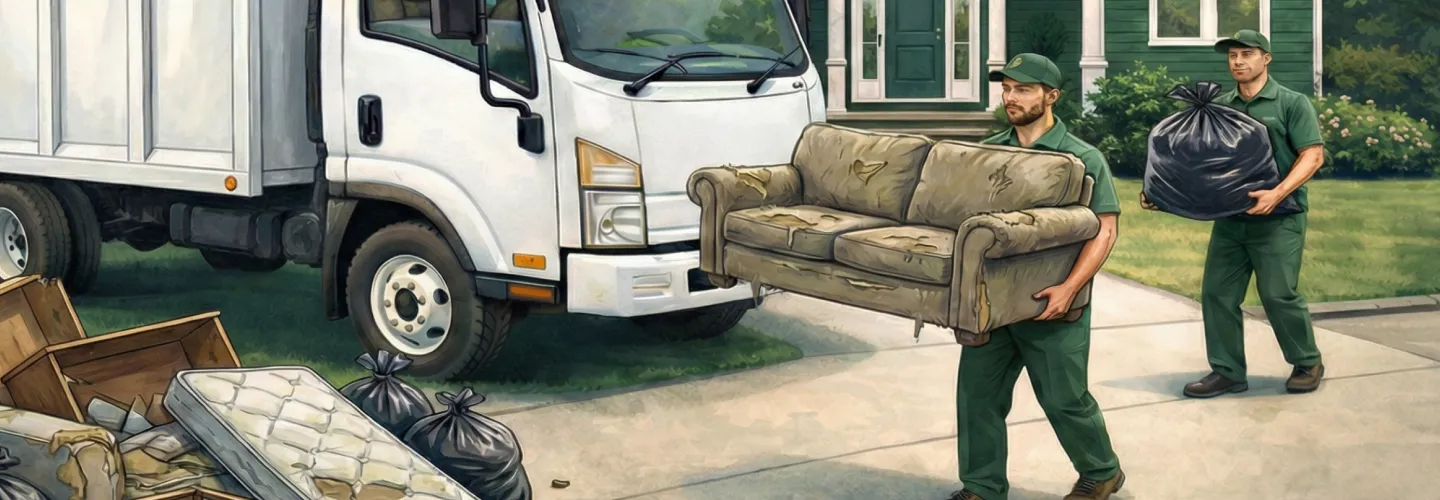
Grayson Hot Tub Removal Services
Choose our Hot Tub Removal service for safe, efficient, and eco-friendly disposal—saving you time, hassle, and heavy lifting while ensuring your space is left spotless.
Get a Free QuoteOur Grayson Junk Removal Services
Hot Tub Removal in Grayson, GA – Local Service Guide
Hot tub removal in Grayson, GA is a common need for homeowners upgrading outdoor spaces or preparing for property sales. In neighborhoods like Wheatfields Reserve and Northforke Plantation, residents often schedule removals during spring and fall—prime times for backyard renovations or after severe weather. Hot tubs are bulky and require careful disassembly, especially when access is limited by fencing or landscaping. Local disposal options include recycling components or arranging for responsible landfill disposal, as donation is rarely feasible due to wear and plumbing. Professional removal teams coordinate with homeowners to navigate tight driveways and variable weather, ensuring safe extraction without property damage. For those replacing old units, timing the removal with new deliveries is key. Always check local guidelines for large item disposal—see the Grayson Code of Ordinances for current rules.
Benefits of Hot Tub Removal in Grayson
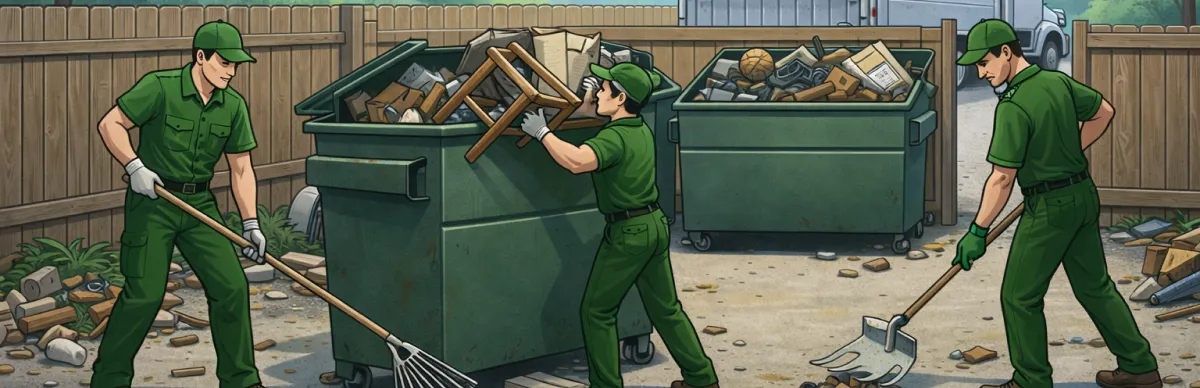
Fast and Efficient Service
Safe Hot Tub Disposal
Eco-Friendly Removal Practices
Experienced Removal Team
Transparent Upfront Pricing
Convenient Scheduling Options
Coordinating Hot Tub Removal with Gwinnett County Solid Waste and Bulk Disposal Services
Grayson, located within Gwinnett County, relies on county-level solid waste infrastructure for oversized item disposal such as hot tubs. Hot tubs typically weigh between 300 and 900 pounds and contain mixed materials including fiberglass, acrylic, wood framing, foam insulation, PVC plumbing, and electrical wiring. Because of their size and composition, hot tubs are not accepted through standard curbside collection and must be handled through bulk waste disposal channels. Residents should be aware of the following requirements when planning hot tub removal:
- Material separation is strongly encouraged before transport to any disposal facility; metals, plastics, and wood should be sorted when feasible
- Oversized items exceeding standard residential collection limits require advance coordination with the waste hauler or direct transport to an approved facility
- Electrical disconnection must be performed by a licensed electrician before removal begins to prevent shock hazards
- Plumbing disconnection should include proper draining and capping of water supply lines
Residents should consult the Grayson Code of Ordinances for local property maintenance standards that may apply to abandoned or deteriorating hot tubs on residential lots.
Gwinnett County Planning & Development
75 Langley Drive, Lawrenceville, GA 30046
Phone: (770) 822-8000
Official Website: Gwinnett County Planning & Development
Georgia Environmental Protection Division Requirements for Hot Tub Disposal Materials
Georgia's solid waste management regulations, administered by the Georgia Environmental Protection Division (GA EPD), establish standards for the handling and disposal of bulky waste items including hot tubs. The Georgia Comprehensive Solid Waste Management Act (O.C.G.A. § 12-8-20 et seq.) requires that all solid waste be transported to permitted facilities and prohibits illegal dumping on public or private property. Hot tub removal generates several material streams that require careful handling under state guidelines:
- Fiberglass and acrylic shells are accepted at permitted construction and demolition (C&D) landfills but are generally not recyclable through standard programs
- Foam insulation (typically polyurethane) must be disposed of at a permitted solid waste facility; open burning is prohibited under Georgia air quality regulations
- Copper wiring and metal components should be separated for scrap metal recycling to support landfill diversion
- PVC piping may be accepted at select recycling facilities; verify acceptance before transport
- Electrical components including pumps, heaters, and control panels containing circuit boards should be directed to electronics recycling where available
Violations of Georgia's solid waste disposal laws can result in civil penalties. Property owners are responsible for ensuring that all materials from hot tub removal reach a permitted disposal or recycling facility.
Grayson Zoning and Code Enforcement Considerations for Hot Tub Removal Projects
Before initiating hot tub removal, Grayson residents should review applicable zoning ordinances and code enforcement requirements. Hot tubs installed on decks, patios, or within enclosed structures may involve structural modifications during removal that trigger permit requirements. The Grayson Planning & Zoning department administers local land use regulations that may affect removal logistics. Key compliance considerations include:
- Deck or patio modifications resulting from hot tub removal may require a building permit if structural elements are altered or removed
- Electrical permit requirements apply when disconnecting dedicated 220-volt circuits, GFCI breakers, or subpanels that served the hot tub
- Property setback and impervious surface regulations may affect plans for the area after the hot tub is removed
- Noise ordinances in Grayson restrict heavy equipment operation and loud demolition activities during certain hours; verify permitted work hours before scheduling removal
- Debris staging on driveways or yards must not obstruct public sidewalks, rights-of-way, or neighboring properties
Grayson Planning & Zoning
475 Grayson Parkway, Grayson, GA 30017
Phone: (770) 963-8330
Official Website: Grayson Planning & Zoning
Residents in subdivisions governed by homeowners associations should also obtain HOA approval before beginning removal, as architectural review committees may have requirements regarding exterior modifications and debris management.
Stormwater Protection and Environmental Safeguards During Hot Tub Removal in Grayson
Hot tub removal presents specific environmental concerns related to water discharge and chemical handling. Hot tubs contain treated water with residual chlorine, bromine, or other sanitizing chemicals that must not be discharged directly into storm drains, streams, or wetlands. Gwinnett County Water Resources oversees stormwater management and water quality protection throughout the county, including the Grayson area. Residents and contractors should observe the following environmental safeguards:
- Drain hot tub water onto a pervious surface such as a lawn or landscaped area, allowing the ground to filter residual chemicals before reaching groundwater
- Never discharge treated water into storm drains, ditches, or surface waterways; storm drains flow directly to local streams without treatment
- Allow chlorine or bromine levels to dissipate by leaving the hot tub uncovered and untreated for 48–72 hours before draining
- Contain and properly dispose of spa chemicals including chlorine tablets, pH adjusters, and algaecides through Gwinnett County's Household Hazardous Waste collection events
- Prevent sediment and debris runoff during demolition by using tarps or barriers around the work area
Gwinnett County Water Resources
684 Winder Highway, Lawrenceville, GA 30045
Phone: (678) 376-6700
Official Website: Gwinnett County Water Resources
Failure to comply with stormwater protection requirements may result in code enforcement action under both county and EPA Region 4 Clean Water Act provisions.
Recycling and Material Recovery Opportunities for Hot Tub Components in Grayson
Responsible hot tub removal involves maximizing material recovery and diverting reusable components from landfills. While a complete hot tub cannot be recycled as a single unit, its individual components offer several recovery opportunities. Grayson residents should consider the following material-specific recycling pathways:
- Scrap metal recovery: Hot tub frames, pumps, heaters, and copper wiring hold significant scrap value and are accepted at licensed scrap metal facilities throughout Gwinnett County
- Wood framing and cabinetry: Untreated wood from hot tub surrounds may be accepted at wood recycling or mulching facilities; pressure-treated lumber must go to a permitted landfill
- Motors and pumps: Functional jet pumps and circulation motors may be resold or donated to spa repair businesses for refurbishment
- Electrical control panels: Circuit boards and electronic controls should be directed to certified e-waste recyclers to recover precious metals and prevent hazardous material contamination
- Acrylic and fiberglass shells: These materials have limited recycling infrastructure in Georgia; contact local C&D recyclers to verify acceptance
Residents should also check whether the Gwinnett County Tree Ordinance applies if tree removal or trimming is necessary to create equipment access for hot tub extraction from backyard installations.
What Neighborhoods Do We Serve Throughout Grayson, GA?
- Grayson Estates: This established single-family subdivision features spacious lots with fenced backyards where hot tubs are commonly installed on rear patios. Wide driveways and cul-de-sac layouts generally accommodate removal equipment, though gate access to backyard installations should be verified in advance.
- Bay Creek: Homes in this community often include elevated decks and screened porches where hot tubs may be situated. HOA architectural review approval is typically required before exterior modifications, and removal crews should plan for potential deck disassembly to extract units.
- Rosewood Park: This neighborhood features newer construction with concrete patio installations. Proximity to neighboring properties requires careful equipment staging to avoid landscape damage, and residents should confirm any HOA debris management guidelines.
- Grayson Valley: Properties in this area include larger lots with varied terrain and sloped backyards. Hot tub removal may require specialized equipment for uphill extraction, and access paths should be assessed for width and ground stability before scheduling.
- Bramlett Station: This community near Grayson's commercial corridor includes townhome-style residences with limited backyard access. Narrow side yards and shared fencing may necessitate alternative removal routes, and coordination with adjacent property owners is advisable.
- Ozora Lake: Homes surrounding the lake area may have hot tubs installed on waterfront decks or patios. Environmental precautions for water drainage are especially important given proximity to the lake, and stormwater runoff prevention measures should be strictly observed during removal.