
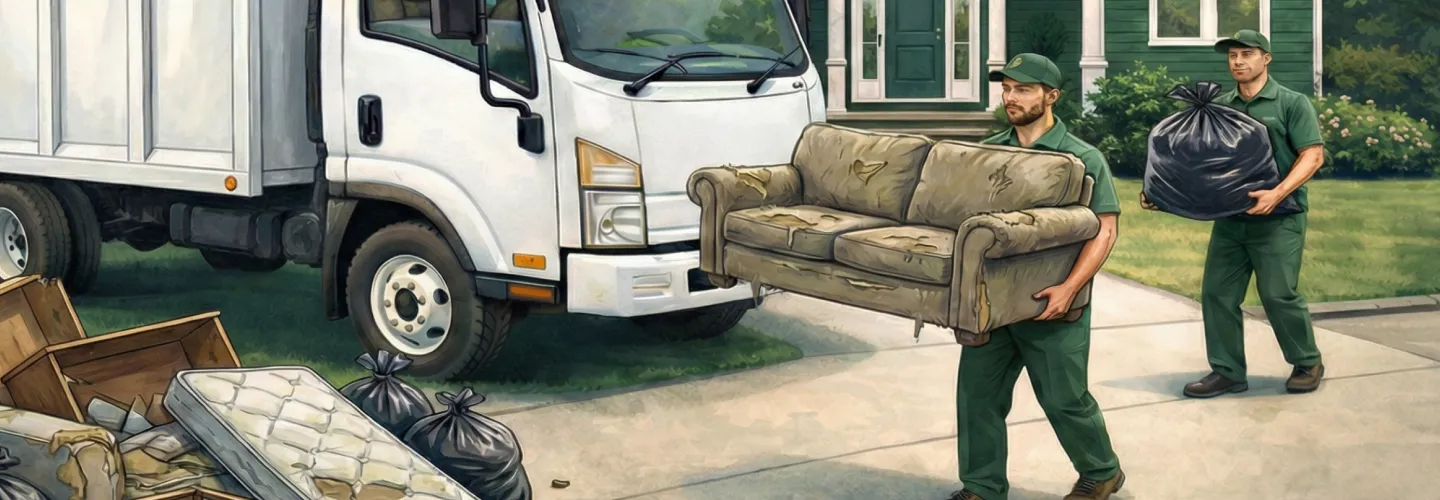
Grayson Shed Removal Services
Choose our shed removal service for safe, efficient, and eco-friendly disposal—saving you time, effort, and giving you back valuable space without the stress.
Get a Free QuoteOur Grayson Junk Removal Services
Shed Removal in Grayson, GA – Local Service Guide
Shed removal in Grayson, GA is a common need for homeowners in neighborhoods like Wheatfields Reserve and Northforke Plantation, especially during spring cleanouts, after storm damage, or when upgrading outdoor spaces. Many residents seek shed removal when replacing old storage units, preparing for property sales, or addressing code compliance. Local disposal options include recycling metal components, donating usable materials, or arranging for responsible disposal through licensed haulers. Access can be a challenge in backyards with limited entry or during rainy seasons, so planning around weather and property layout is key. For larger or older sheds, professional removal ensures safe dismantling and compliance with local ordinances. Always check for permit requirements and coordinate with local services to avoid delays. For more on local regulations, visit the Grayson Code of Ordinances.
Key Considerations for Shed Removal in Grayson
- Timing: Plan around spring/fall cleanouts and post-storm recovery
- Permits: Check local requirements before starting
- Disposal Channels: Use recycling, donation, or licensed disposal
- Access: Assess backyard entry and weather conditions
- Volume: Estimate shed size and debris for proper hauling
- Coordination: Schedule with professionals for safe, efficient removal
Benefits of Shed Removal in Grayson
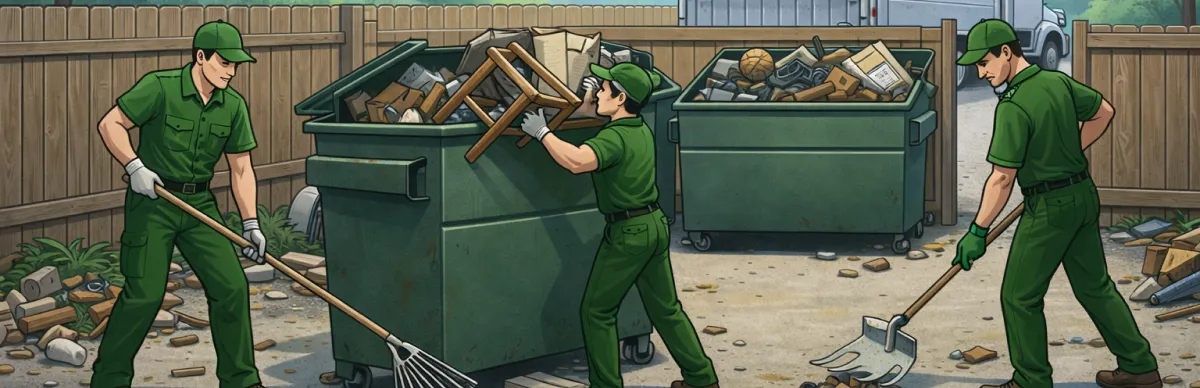
Fast Shed Removal Services
Eco-Friendly Disposal Solutions
Experienced Shed Removal Team
Affordable Shed Removal Pricing
Safe and Hassle-Free Process
Flexible Scheduling Options
Coordinating Shed Removal Permits and Zoning Compliance in Grayson, GA
Shed removal in Grayson requires careful attention to local zoning ordinances and permit requirements before any demolition or dismantling work begins. The City of Grayson enforces development standards through its planning and zoning department, and property owners must verify whether a demolition permit is required based on the shed's size, construction type, and lot placement. Gwinnett County's Planning and Development department oversees building inspections and code enforcement for structures within the county's jurisdiction, which may apply to properties in unincorporated areas adjacent to Grayson.
Key steps before beginning shed removal include:
- Verify permit requirements by reviewing the Grayson Zoning Ordinance for accessory structure regulations
- Confirm setback compliance to ensure removal equipment does not encroach on neighboring properties or easements
- Check for utility connections — sheds with electrical wiring, plumbing, or gas lines require disconnection by licensed professionals before demolition
- Review HOA covenants if the property falls within a deed-restricted community, as some associations require advance written approval for exterior changes
Grayson Planning & Zoning
475 Grayson Parkway, Grayson, GA 30017
Phone: (678) 407-2777
Official Website: Grayson Planning & Zoning
Hazardous Material Identification and Safe Handling During Grayson Shed Demolition
Older sheds in Grayson may contain hazardous materials that require specialized handling and disposal procedures. Structures built before 1978 may have lead-based paint on interior or exterior surfaces, and sheds constructed with certain insulation or roofing materials may contain asbestos fibers. Federal regulations under the EPA Renovation, Repair, and Painting Rule mandate lead-safe work practices when disturbing painted surfaces in pre-1978 structures.
Property owners should be aware of the following hazardous material concerns:
- Lead paint — Sanding, scraping, or demolishing painted surfaces may generate lead dust; certified lead-safe contractors should perform testing before demolition
- Asbestos-containing materials — Roofing shingles, siding, and floor tiles manufactured before 1980 may contain asbestos; a licensed inspector should conduct a survey prior to removal
- Treated lumber — Pressure-treated wood, particularly lumber treated with chromated copper arsenate (CCA) before 2004, must not be burned and requires disposal at permitted solid waste facilities
- Chemical storage residues — Sheds used to store pesticides, herbicides, paint, or fuel may have contaminated surfaces or soil requiring proper cleanup
The Georgia Environmental Protection Division regulates hazardous waste disposal statewide and can provide guidance on proper handling and licensed disposal facilities for contaminated materials.
Georgia Solid Waste Regulations Governing Shed Demolition Debris Disposal
Shed removal generates construction and demolition (C&D) debris that must be disposed of in accordance with Georgia's solid waste management laws. The Georgia Comprehensive Solid Waste Management Act (O.C.G.A. § 12-8-20 et seq.) establishes the regulatory framework for C&D waste handling, transportation, and disposal throughout the state. The Georgia Environmental Protection Division enforces these regulations and issues permits for solid waste handling facilities that accept demolition debris.
Shed demolition debris typically includes the following material categories:
- Wood framing and structural lumber — Untreated dimensional lumber may be accepted at C&D recycling facilities; treated wood must go to permitted landfills
- Roofing materials — Asphalt shingles, metal roofing panels, and underlayment require separation for proper disposal or recycling
- Concrete and masonry — Foundation slabs, pavers, and cinder blocks are often accepted at inert waste facilities or concrete recycling operations
- Metal components — Hinges, fasteners, flashing, and metal siding can be separated for scrap metal recycling
- Vinyl and plastic materials — Siding, window frames, and synthetic components typically require landfill disposal at permitted facilities
Gwinnett County residents must use licensed haulers or transport C&D debris to permitted facilities. Illegal dumping of demolition debris carries penalties under both state law and the Grayson Code of Ordinances, which prohibits the accumulation of debris on residential and commercial properties.
Gwinnett County Planning & Development
446 West Crogan Street, Lawrenceville, GA 30046
Phone: (678) 518-6000
Official Website: Gwinnett County Planning & Development
Recycling and Material Recovery Options for Shed Removal Debris in Grayson
Maximizing material recovery during shed removal reduces landfill burden and supports Gwinnett County's waste diversion efforts. Many components of a typical shed are recyclable or reusable when properly separated during the demolition process. Property owners and contractors should plan for on-site material sorting to ensure compliance with disposal requirements and to take advantage of available recycling programs.
Recyclable materials commonly recovered from shed removal projects include:
- Scrap metal — Steel roofing, aluminum flashing, copper wiring, and iron hardware can be taken to local scrap metal recyclers; separation by metal type typically yields better value
- Clean dimensional lumber — Untreated wood in good condition may be accepted by Habitat for Humanity ReStore or similar reuse organizations for resale
- Concrete and brick — Clean masonry materials can be processed at concrete recycling facilities for use as aggregate in road construction and landscaping
- Windows and doors — Functional windows, doors, and intact hardware may be donated to architectural salvage organizations or building material reuse centers
Appliance refrigerant recovery is required by EPA Section 608 regulations if the shed contains any refrigeration equipment such as a workshop refrigerator or window air conditioning unit. Only certified technicians may recover refrigerants before disposal of these appliances.
Gwinnett County Water Resources
684 Winder Highway, Lawrenceville, GA 30045
Phone: (678) 376-6700
Official Website: Gwinnett County Water Resources
Stormwater Protection and Tree Preservation During Shed Removal in Grayson
Shed removal projects in Grayson must account for stormwater management and tree preservation requirements enforced at both the city and county levels. Demolition activities can disturb soil, create sediment runoff, and damage root zones of protected trees if proper precautions are not taken. Gwinnett County's stormwater management program requires erosion and sedimentation controls for land-disturbing activities, and the Gwinnett County Tree Ordinance protects certain specimen and heritage trees from damage during construction and demolition work.
Environmental compliance measures for shed removal include:
- Erosion control — Install silt fencing or straw wattles around the work area to prevent sediment from entering storm drains, ditches, or waterways
- Tree protection zones — Maintain a minimum buffer around protected trees equal to one foot of radius per inch of trunk diameter; do not operate heavy equipment within drip lines
- Debris containment — Prevent demolition materials, sawdust, and loose debris from entering stormwater conveyance systems
- Soil stabilization — Exposed soil from shed foundation removal should be stabilized with seed, mulch, or ground cover within 14 days of disturbance
- Permit verification — Tree removal permits may be required if mature trees must be removed to access the shed site
Gwinnett County Department of Transportation
446 West Crogan Street, Lawrenceville, GA 30046
Phone: (678) 518-6000
Official Website: Gwinnett County Department of Transportation
What Neighborhoods Do We Serve Throughout Grayson, GA?
- Grayson Estates: Established single-family homes on larger lots frequently feature older wooden sheds that may contain lead paint or treated lumber. Wide driveways and open backyards generally allow adequate equipment access for demolition and debris loading.
- Bay Creek: This well-maintained subdivision includes properties with HOA-regulated accessory structures. Residents must obtain written HOA approval before shed removal, and exterior appearance standards may govern the timeline and method of demolition.
- Rosewood Park: Homes in this community often sit on moderately sized lots with fenced backyards, requiring careful planning for equipment access through side gates or fence panel removal to reach shed locations.
- Grayson Valley: Newer construction in this area means sheds are typically built with modern materials, reducing hazardous material concerns. Cul-de-sac street layouts may require advance coordination for truck staging and debris hauling.
- Hedgerow at Grayson: Properties in this neighborhood feature mature tree canopy that may limit overhead clearance for equipment. Tree preservation requirements under Gwinnett County ordinances must be observed when accessing shed sites near protected specimens.
- Parkside at Grayson: This community includes a mix of lot sizes with varying setback distances. Sheds positioned close to property lines may require coordination with adjacent property owners and careful demolition techniques to avoid damage to neighboring structures or landscaping.